





The escalating tensions between India and Bangladesh have produced mixed outcomes for India’s sari industry, disrupting traditional trade links while creating unexpected opportunities for some local weavers.

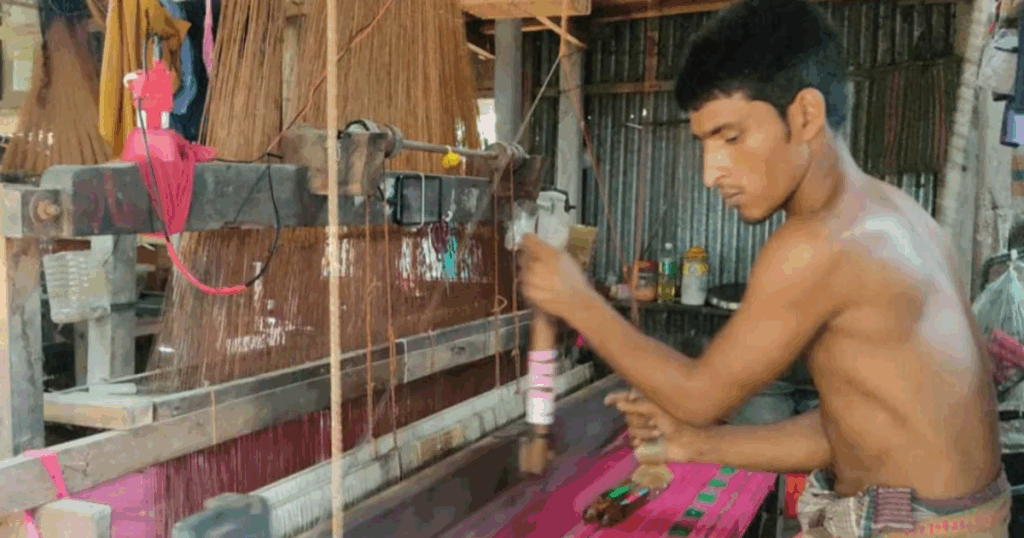
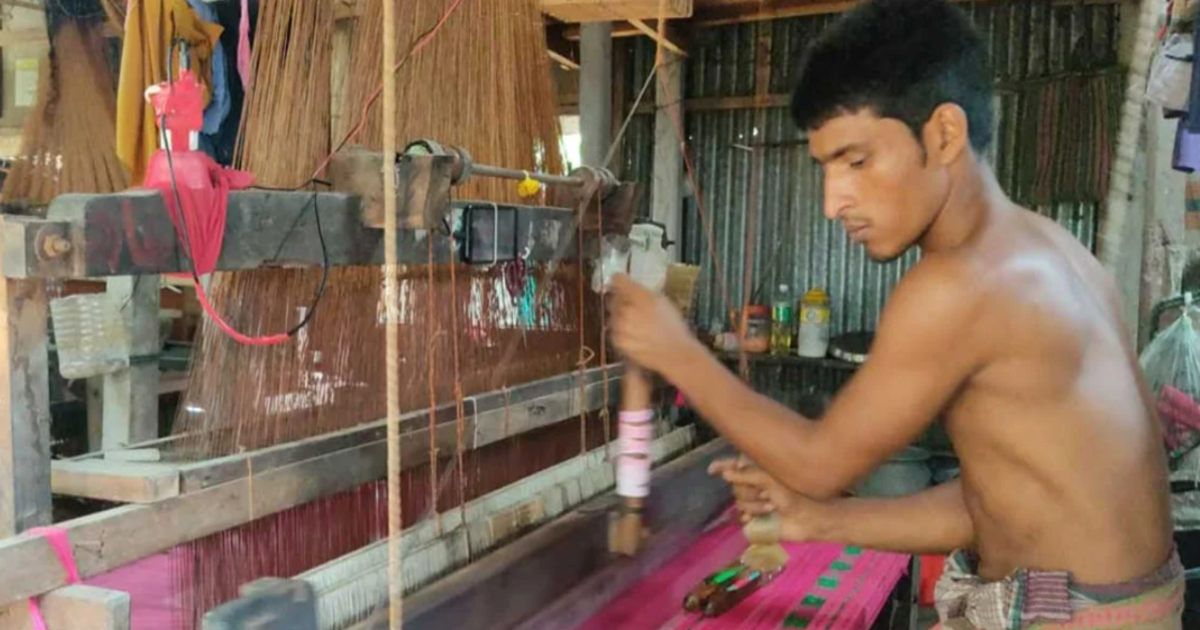
In Varanasi, known as India’s spiritual and cultural heart and the parliamentary seat of Prime Minister Narendra Modi, the famed Banarasi sari trade has suffered a major setback. Veteran weaver Mohammed Ahmad Ansari, who has been crafting handwoven silk saris for decades, says the export of Banarasi saris to Bangladesh has fallen sharply since political relations soured.
“These saris are in great demand in Bangladesh during weddings and festivals, but since the restrictions, business has dropped by more than half,” Ansari told Al Jazeera.
The diplomatic strain began in August last year when former Bangladeshi Prime Minister Sheikh Hasina fled to India following an uprising against her government. Dhaka has since accused New Delhi of shielding Hasina and contributing to instability in Bangladesh, where Hindu minorities and Indian businesses have faced attacks.
In April, Bangladesh restricted imports of yarn and rice from India. In retaliation, India imposed a ban in May on Bangladeshi readymade garments and processed foods entering through land borders. While Bangladesh can still export saris to India, they must now take the costlier and slower sea route.
The consequences have been severe for weavers in Varanasi, where Banarasi saris—known for their intricate silk work and zari embroidery—are a source of livelihood for thousands. A single sari can take up to six months to complete and fetch over 100,000 rupees ($1,130). But declining exports have compounded earlier challenges, including India’s demonetisation policy, rising electricity costs, the pandemic, and competition from cheaper machine-made saris produced in Surat, Gujarat.
Pawan Yadav, a wholesale trader in Varanasi, said his business has collapsed since the regime change in Dhaka. “We used to export around 10,000 saris to Bangladesh annually, but everything has stopped. I am still owed 1.5 million rupees ($17,140), and recovering that money now seems impossible,” he said.
India’s sari industry is valued at nearly 80,000 crore rupees ($9 billion), employing millions across the country. Yet in Varanasi, the number of weavers has halved in recent years as many abandoned their looms for other jobs, including driving rickshaws.
Weavers and traders, many of whom supported Modi politically, are now urging the government to resolve the trade dispute with Bangladesh. Although the Modi administration introduced National Handloom Day in 2015 to promote indigenous products, many artisans feel the promises remain unfulfilled.
“India’s handloom heritage is unique and cannot be replicated,” said Ramesh Menon, founder of Save the Loom, a social enterprise supporting traditional weavers. “But we must reposition handloom as a product of luxury, not poverty.”
In contrast, the situation in West Bengal has improved for local sari traders. The border state, home to hubs like Shantipur and Nadia, has seen a resurgence in demand for its cotton saris after losing a significant market share to Bangladeshi imports in recent years.
Tarak Nath Das, a Shantipur-based trader, said business has flourished this festival season. “Bangladeshi saris had taken over at least 30 percent of our market. Now orders are pouring in again, and sales during Durga Puja were up by about 25 percent compared to last year,” he said.
West Bengal’s weaving centers, including Hooghly and Murshidabad, are regaining lost ground and even expanding exports to countries such as Greece and Turkiye.
Sanjay Karmakar, a wholesale trader from Nadia, noted that Bangladeshi saris had long appealed to Indian buyers for their attractive packaging and slightly superior fabric. However, with fewer imports, local saris are once again in focus.
Fashion designer Santanu Guha Thakurta believes the timing of the import restrictions benefited Indian artisans. “The move came just before the festival season, giving Indian weavers and traders a much-needed boost,” he said.
While Varanasi’s silk industry struggles under trade barriers, Bengal’s cotton sari makers are experiencing a revival—an illustration of how political friction between two neighbors has redrawn the contours of India’s handloom economy.