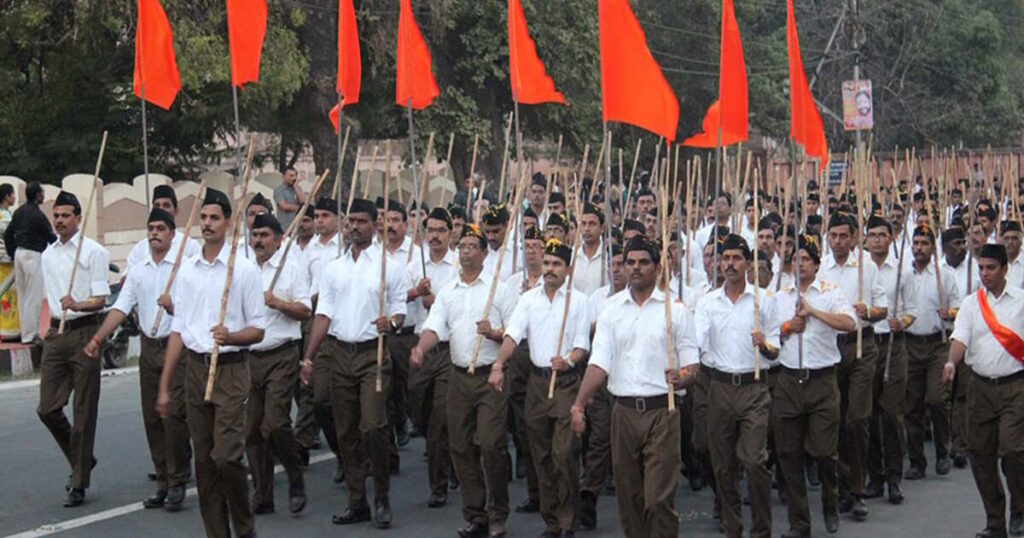







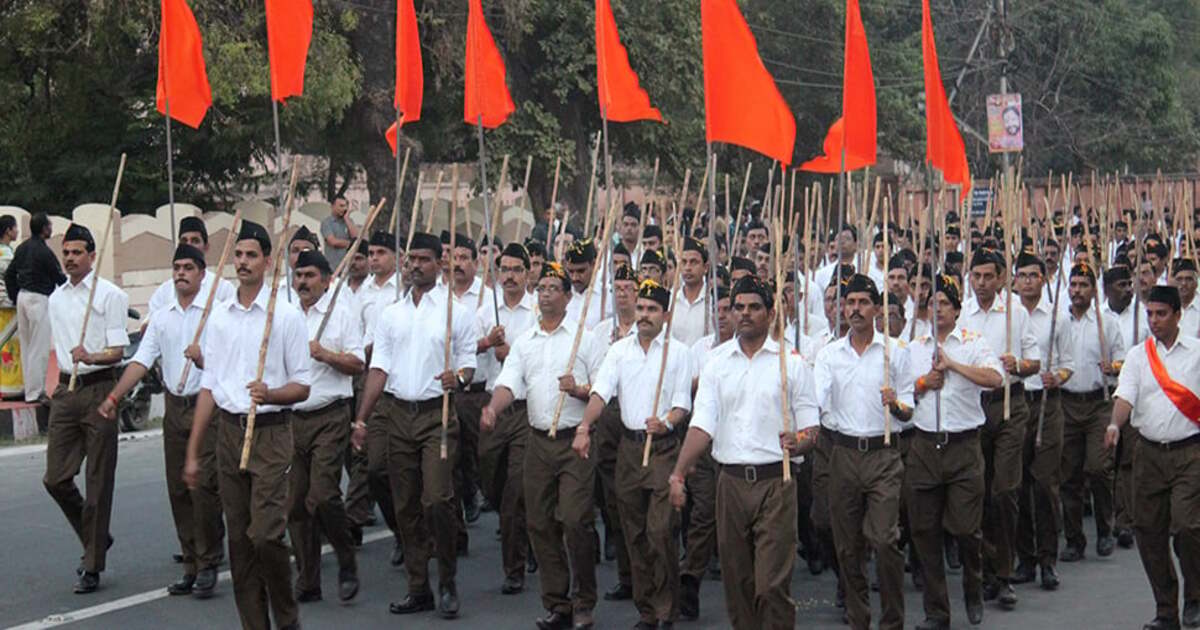
The Rashtriya Swayamsevak Sangh (RSS), regarded as the ideological fountainhead of India’s ruling Bharatiya Janata Party (BJP), has celebrated its centenary with a large gathering at its headquarters in Nagpur.

RSS chief Mohan Bhagwat led the event, which organisers said included 3,800 volunteers performing drills in their traditional uniform of khaki trousers, white shirts and black caps. In his address, Bhagwat spoke on a range of issues including relations with Pakistan, regional instability, climate change and inequality. He stressed that no nation can exist in isolation, echoing Prime Minister Narendra Modi’s broader calls for self-reliance.
The RSS, founded in 1925 by Keshav Baliram Hedgewar, has grown from a small group of volunteers into what it claims is the largest volunteer organisation in the world. It does not keep official membership records, and its structure is deliberately opaque, with experts describing it as a vast and complex network that overlaps with other Hindu nationalist groups under the umbrella of the Sangh Parivar.
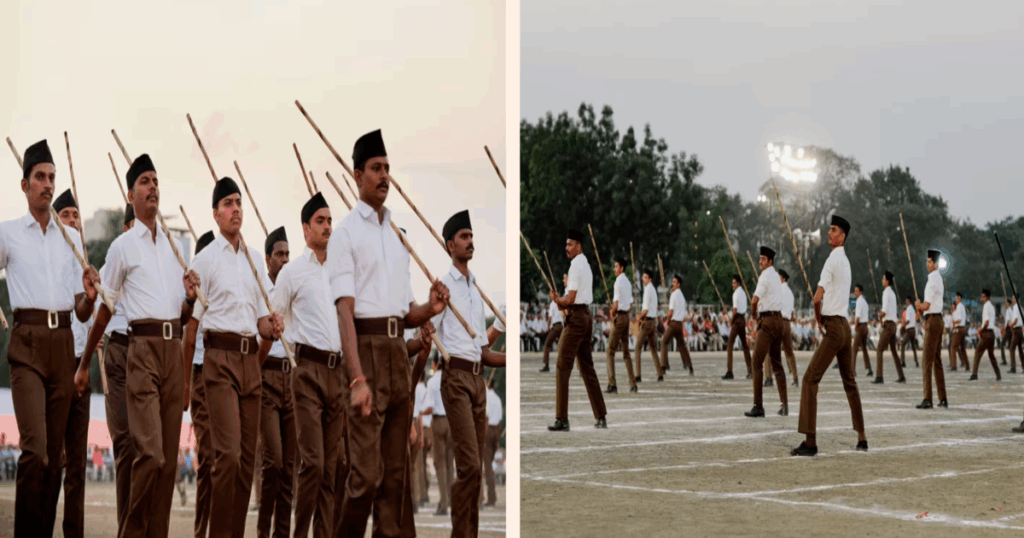
While the RSS is not formally a political body, its influence over Indian politics is significant due to its close ties with the BJP. Many of the ruling party’s leaders, including Prime Minister Modi, were once RSS campaigners. Ahead of the centenary, Modi released a commemorative coin and stamp in Delhi, a move that drew criticism from opposition parties.
The RSS describes itself as a volunteer and cultural organisation, running schools, clinics and disaster relief operations. However, its Hindu nationalist ideology has long been controversial, with critics accusing it of fostering division and promoting the view that India is primarily for Hindus.
Scholars point to its history, including the demolition of the Babri Mosque in Ayodhya in 1992 by mobs that included RSS members, which triggered nationwide riots that killed more than 2,000 people. The group was banned several times in post-independence India, including briefly after Mahatma Gandhi’s assassination in 1948 by a man associated with the RSS.
In his speech, Bhagwat sought to project unity, saying that despite differences, Indians share a common culture and nationhood. But for many minority communities, concerns remain over what they see as the RSS’s exclusionary vision of citizenship and belonging.
In recent years, the organisation has increased its public engagement, hosting conclaves and inviting media, though access remains tightly controlled. Analysts say this effort is part of a push to soften its image, but critics argue that its core ideology has not changed.