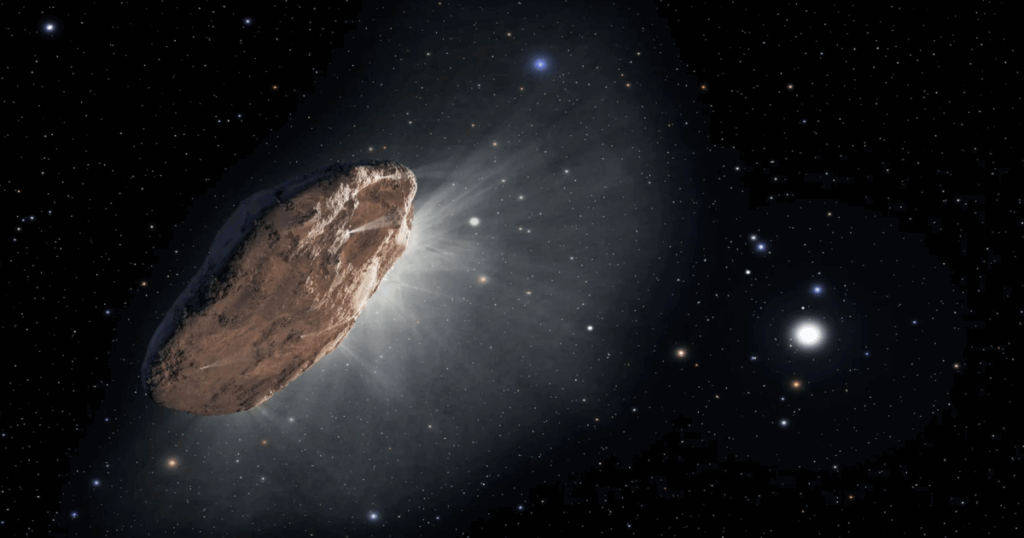












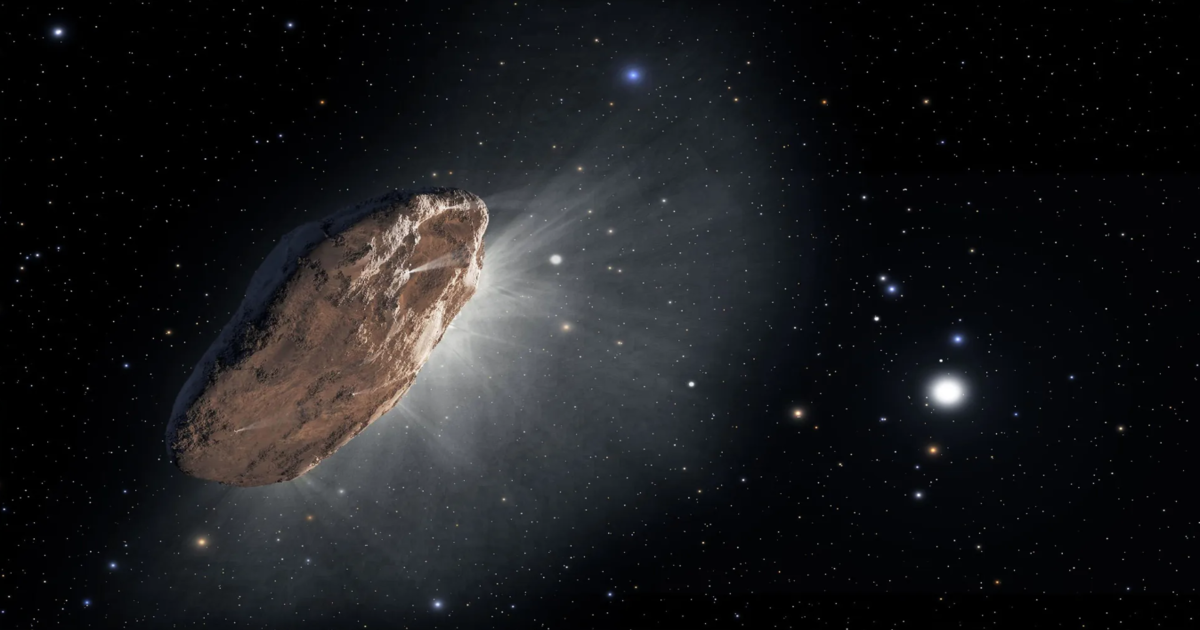
A comet originating from another star system is set to sweep past Mars on Friday, drawing attention from multiple spacecraft observing the rare cosmic visitor.

The comet, designated 3I/Atlas, will pass within 18 million miles (29 million kilometers) of the red planet, marking its closest approach during its journey through the inner solar system. Traveling at a remarkable speed of 193,000 mph (310,000 kph), it is only the third interstellar object ever detected passing through our solar neighborhood.
The European Space Agency confirmed that its two satellites orbiting Mars have already directed their instruments toward the comet. NASA’s spacecraft and rovers at Mars are also prepared to contribute to the observations.
First identified in July, the comet poses no danger to Earth or nearby planets. It will reach its closest point to the sun at the end of October. Throughout November, ESA’s Juice spacecraft, en route to Jupiter and its icy moons, will continue tracking the object.
The comet’s closest approach to Earth will occur in December, when it passes about 167 million miles (269 million kilometers) away.
Data from the Hubble Space Telescope suggest the nucleus of 3I/Atlas measures no more than 3.5 miles (5.6 kilometers) across, though it could be as small as 1,444 feet (440 meters), according to NASA.