












European leaders gathered in Copenhagen this week to address rising security concerns over repeated drone incursions into European airspace, widely blamed on Russia. Among the measures under discussion is a proposed “drone wall,” a new initiative aimed at strengthening the continent’s defenses.

The plan, part of a broader Defence Readiness Roadmap being developed by the European Commission, would not be a physical barrier but rather a layered system of detection and interception technologies. Officials say the network would build on individual EU members’ existing anti-drone capabilities and integrate them across NATO’s eastern flank.
“Europe must deliver a strong and united response to Russia’s drone incursions at our borders,” European Commission President Ursula von der Leyen said on Tuesday. “That is why we will propose immediate actions to create the drone wall as part of the Eastern Flank Watch. We must move together forward with Ukraine and with NATO.”
While details remain scarce, officials acknowledge the project will take time. German Defense Minister Boris Pistorius has suggested it may need three to four years to develop, though Latvian Prime Minister Evika Silina insisted on Wednesday that the timeline could be shorter.
Experts say the concept is not entirely new. Rafael Loss, a policy fellow at the European Council on Foreign Relations, pointed out that the European Sky Shield Initiative has been in development for years, aimed at boosting missile and air defense. But he added that the drone wall could help close significant gaps in NATO’s ability to counter drones, which have become central to modern conflict.
“Previously, NATO’s air defense was pitted against fast-moving air threats, aircraft, missiles, hypersonics but not specifically against drones,” Loss said. “That is slowly changing as a result of what we see in Ukraine.”
Ukraine’s experience in drone warfare is expected to play a key role, with advisers from the conflict helping European countries refine strategies for detection and interception. Experts suggest focusing on more affordable countermeasures such as electronic jamming and spoofing, rather than relying on expensive missile systems like Patriots.
Still, challenges remain. Drones are small, inexpensive, and capable of causing disproportionate damage, both through direct attacks and surveillance. Even when intercepted, falling debris can pose risks to civilians and infrastructure.
NATO Secretary-General Mark Rutte endorsed the proposal, describing it as “timely and necessary.” He stressed the importance of cost efficiency, warning that Europe cannot afford to spend millions on missile interceptors to destroy drones costing only a few thousand dollars.
Observers note that while the drone wall could strengthen Europe’s defenses, it will need to be paired with offensive capabilities to deter further threats. As Loss cautioned, “There are huge gaps and they need to be filled, but you also need to complement defensive efforts with measures that hurt the other side.”
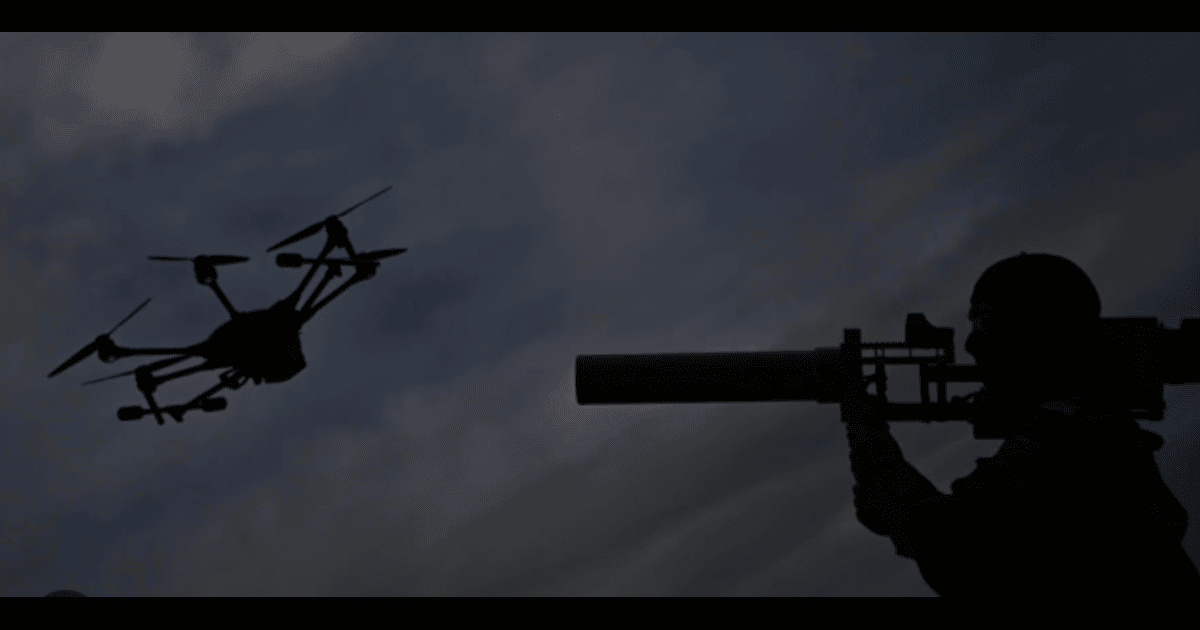
“Drone Wall” a new tea in the old cup of the Russia-Ukraine war .


