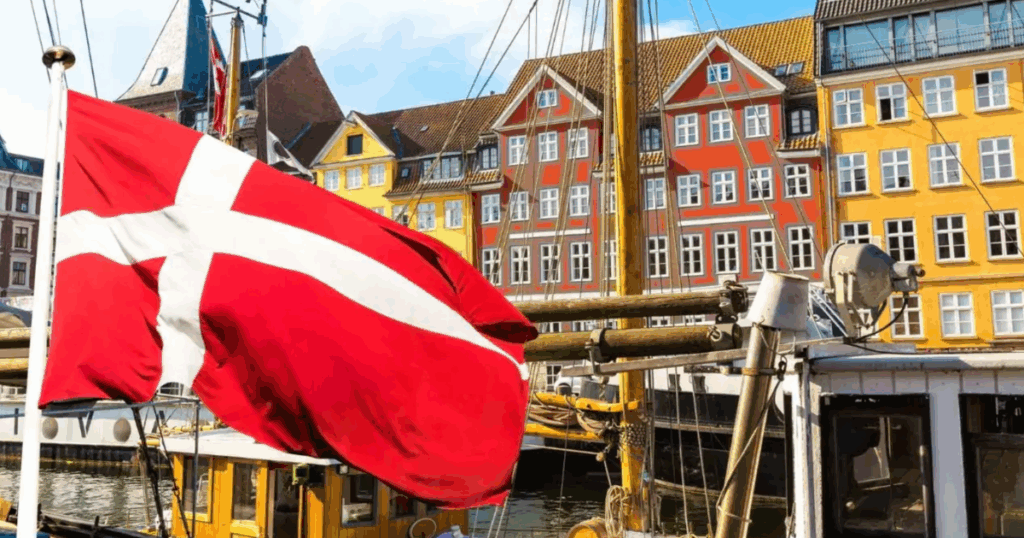










Denmark has announced stricter immigration policies aimed at preventing the misuse of student permits as a way to access its labour market.

In a notice issued on September 19, the Ministry of Immigration and Integration said the government is introducing measures to curb abuse of study stays. Under the new policy, it will become more difficult for students from countries such as Bangladesh and Nepal to gain admission to Danish universities without the required academic qualifications. International students will also face restrictions on bringing dependents, while the post-study work permit will be reduced from three years to one.
Former Immigration Minister Kaare Dybvad Bek, who was replaced shortly after the announcement by Rasmus Stoklund, said the move was necessary as many students from Bangladesh and Nepal were using education permits as a gateway to jobs. “We have seen a significant increase in students and their families from these two countries, with higher dropout rates, weaker academic and language performance, and heavier involvement in unskilled work compared to other foreign students,” he said.
According to ministry data, between 2022 and 2024, only one percent of Chinese and two percent of US students brought family members with them, compared with 74 percent for Nepal and 58 percent for Bangladesh.
A survey conducted by Denmark’s Minister of Higher Education and Science Christina Egelund found that a large share of Bangladeshi students at Aarhus University—the largest hub for Bangladeshi nationals—appeared less focused on studies and more on staying in Denmark. The dropout rate for Bangladeshi students in their first year stood at 13 percent in 2023 and 2024, compared to four percent among other international students. Their exam participation and pass rates were also significantly lower.
Egelund said the measures were not meant to shut out genuine students but to ensure academic integrity. “Study stays should be for those who want to study, not for those who exploit the system. Every year we welcome talented international students, and we must safeguard that opportunity while addressing abuse,” she stated.
Following the decision, the Bangladesh Embassy in Copenhagen issued a statement on September 25, saying it was aware of the developments and had contacted the relevant authorities. The embassy assured that efforts are being made to ensure Bangladeshi students in Denmark do not face unnecessary problems or discrimination.